Creative Hiring Trends Moving Into 2026
From October 9–11, the 2025 AIGA Design Conference took over Los Angeles with this year’s theme: Design + Performance.
This forward-looking focus highlighted the evolving role of design in accelerating product velocity, enhancing brand equity, and directly driving business outcomes.
For employers hiring creative professionals, this theme signaled a clear shift, in that today’s designers are not only visual thinkers but strategic contributors.
The conference offered valuable insight into where creative roles are headed and how to align your hiring practices with the future of the creative industries.
What Does the Marketing and Creative Hiring Market Look Like?
- Trend 1: Performance-Driven Design Portfolios
- Trend 2: Systems, Ops, and Design at Scale
- Trend 3: Multi-modal Craft: Motion, Prototyping, and Performance
- Trend 4: Content Design + Brand Systems Convergence
- Trend 5: Workshops & Symposia = New Skill Signals
- Trend 6: Community, Mentorship, and Retention
Trend 1: Performance-Driven Design Portfolios
What’s Shifting:
This year’s conference showcased portfolios that did more than look good by proving impact.
Attendees emphasized metrics like conversion lift, usability success rates, and retention improvements, signaling a pivot toward results-oriented storytelling.
Designers now align their work with business objectives, platform constraints, and speed-to-market.
Employers should expect candidates to demonstrate how their design thinking shaped measurable outcomes within complex systems.
Employer move:
It’s time to revise outdated job descriptions that focus solely on aesthetics or tools.
Swap “pixel-perfect” for “outcomes-driven” and request work samples framed by the problem, approach, and performance results.
Including prompts that ask about goals, constraints, and user outcomes will help uncover candidates skilled in Google Analytics, User Interface evaluation, and performance trade-offs.
This not only aligns with current expectations but attracts talent focused on impact.
Trend 2: Systems, Ops, and Design at Scale
Why now:
Deeper-dive sessions and symposia tackled everything from token systems to cross-platform governance.
The focus on design operations, workflow tools like Miro, Jira, Notion, and scalable component libraries is expanding.
These systems enable high-velocity teams to scale quality and consistency across fast-moving product orgs.
For employers, it’s a call to invest in infrastructure and processes, not just talent.
Employer move:
New hybrid roles are emerging that blend systems thinking with project management.
Seek candidates with experience in DesignOps or who’ve managed large-scale component rollouts and platform migrations.
Prioritize skills in documentation, change management, and running cross-functional rituals like decision logs or design critiques.
These professionals often serve as a connective tissue between design, dev, and product.
Trend 3: Multi-modal Craft: Motion, Prototyping, and Performance
Market Signal:
“Performance” is taking on a dual meaning: technical speed and experiential fidelity.
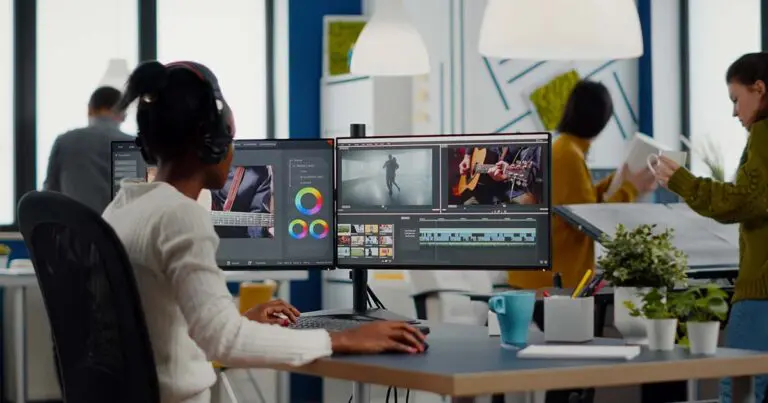
Sessions highlighted motion design, rapid prototyping, and tools like Adobe Firefly and After Effects for design-to-dev handoff.
Quality execution now includes thoughtful motion, load-time awareness, and prototyping that mimics final experience.
This is reshaping expectations for senior ICs and product-facing roles.
Employer move:
In senior hiring, assess awareness of both craft and performance.
Include exercises that test motion sensibility, performance budget thinking, and familiarity with tools like Lottie or Adobe Creative Cloud.
Live prototyping assessments can reveal how candidates think under constraints.
Performance-savvy designers are essential for building responsive, polished experiences.
Trend 4: Content Design + Brand Systems Convergence
Why it matters:
The AIGA community leaned into cross-functional storytelling, pointing to a convergence of brand identity and UX clarity.
Content and design are no longer siloed meaning successful brands now tell cohesive stories across all user surfaces.
This evolution aligns with the rise of content strategists who understand both tone and interaction design.
Employers should expect collaborative fluency between product, marketing, and design.
Employer move:
Design pods that pair visual designers with UX writers or content designers foster this cohesion.
Evaluate candidates for their ability to apply design systems across both marketing and product contexts.
Test for strategic clarity as much as craft, especially as generative AI tools begin to influence workflows.
Seamless user experiences demand unified storytelling.
Trend 5: Workshops & Symposia = New Skill Signals
Market Signal:
Hands-on tracks stood out for spotlighting practical skill-building in emerging areas.
Attendees explored accessibility at scale, design QA, and AI-integrated workflows, highlighting where the next generation of creative careers is being shaped.
These workshops are quickly becoming the new proving grounds for applied skills.
Hiring teams should take note of candidates with this real-time learning experience.
Employer move:
Screen for hands-on knowledge, especially around accessibility and design QA.
Add checkpoints in interviews for WCAG knowledge and use a structured rubric to evaluate visual quality, interaction fidelity, and edge-case thinking.
Candidates who’ve led or facilitated workshops also bring coaching potential, which is vital as teams grow.
This signals readiness to lead and adapt.
Trend 6: Community, Mentorship, and Retention
Why now:
The “resilient community” thread throughout AIGA’s programming underscores that hiring is no longer just about acquisition—it’s about belonging.
The job market is competitive, and top talent now looks for mentorship, internal communities, and long-term growth pathways.
Retention is now a frontline hiring strategy. Career development is being prioritized alongside compensation.
Employer move:
Publish clear growth ladders and budget for participation in events like AIGA or creative artists agency careers sessions.
Encourage internal guilds or mentorship programs to boost engagement and upskilling.
Feature mentorship stories in your employer branding content.
These moves signal commitment to your team’s development and align with workplace values found in current Workplace Research.
Creative Roles on the Rise (2025–2026)
Creative roles on the rise moving into 2026 include DesignOps Leads, Senior Product Designers, AI-aware Content Designers, and Accessibility Program Designers.
DesignOps Lead / Systems PM
As teams grow and design systems mature, demand is surging for roles that manage scaling workflows, component governance, and cross-functional alignment. These pros often work between tools like Miro, Jira, Notion and are essential for systematizing quality.
Senior Product Designer (Motion/Proto-heavy)
Designers with motion and prototyping expertise are increasingly vital as user expectations rise. Familiarity with Adobe Firefly, Lottie, and prototyping in real-time tools is becoming standard.
Content Designer (AI-aware)
With generative AI reshaping content pipelines, content designers who understand prompt design, system messaging, and brand integrity across surfaces are in high demand.
Accessibility Program Designer
This emerging role blends compliance, advocacy, and education. It combines deep knowledge of WCAG standards with the ability to run audits and lead team-wide accessibility initiatives.
What to Change in Your Hiring Process
Changes employers should make to their hiring process to attract and retainin creative talent include refining job descriptions, asking for work samples, providing a live exercise, and implementing a panel structure.
Refine Job Descriptions
Move away from vague soft-skill language and prioritize impact. Use phrases like “drives measurable outcomes” or “leads cross-functional system change.” This aligns with the Labor Market Trends of performance-based hiring.
Ask for Work Samples
Ask candidates to submit a 1-page case study outlining the problem, constraints, method, and measurable result. This helps surface design thinking, execution, and the use of tools like Google Analytics for validation.
Provide a Live Exercise
Design a practical test—whether prototyping a flow or evaluating usability—that asks candidates to make trade-offs between polish and performance. This mimics real-world challenges and surfaces skills under pressure.
Implement a Panel Structure
Include engineers and content strategists in interviews to reflect real-world collaboration. The future of design is cross-functional—your process should be, too.
In-Demand Marketing and Creative Hiring Trends
The AIGA 2025 Conference made it clear: design’s role is evolving, and your hiring strategy must evolve with it.
From outcome-driven portfolios to emerging specialties in accessibility, motion, and systems, creative hiring is no longer just about craft—it’s about performance.
Need help translating these trends into hires?
Mondo connects companies with creatives who bring portfolios, performance, and purpose to every role.
More Reading…
- Hiring for Team Dynamics: Matching People to Workflows, Not Just Job Descriptions
- Year-End Planning: How to Set Your Q1 Hiring Strategy Up for Success
- Top 3 Seasonal Hiring Challenges and How to Overcome Them
- How to Innovate in Tech: Tools, Teams, and Trends to Watch in 2026
- Cybersecurity Awareness Month – Hiring for Cybersecurity Roles
- Applying the 50/30/20 Budget Rule to Hiring
- Burnout Awareness Month: Building a Culture of Mental Resilience
- 7 Ways to Spot a Bad Hire Before You Make an Offer
- How to Forecast Budget For Next Year – Insights for Leadership
- Why Your 3-Stage Interview Process Is Costing You Candidates