How In-Car Advertising Is Turning Cars Into Commerce Platforms
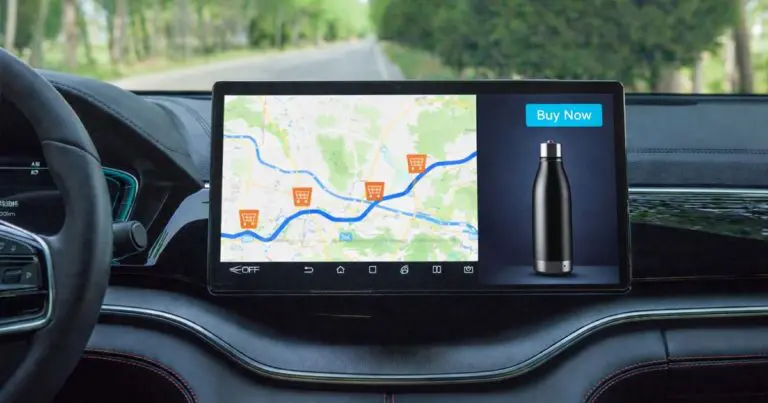
Nearly all new vehicles now ship as connected cars, equipped with software-enabled features, internet connectivity, and continuously updating digital services. Dashboards that once handled radio, climate control, and navigation now operate as evolving software platforms.
As a result, automakers are exploring in-car advertising and commerce as potential recurring revenue streams. Instead of relying solely on vehicle sales, manufacturers increasingly see value in services delivered after purchase through connected navigation, subscriptions, and digital upgrades.
This shift changes more than monetization models. It alters how vehicles are operated, maintained, and continuously improved—and it changes the types of talent automakers need to support these systems. Automotive companies increasingly find themselves competing with technology firms for software, platform, and data talent capable of supporting software-driven revenue streams.
What you need to know about in-car advertising:
What Is In-Car Advertising?
From Infotainment to Revenue Platform
Traditionally, the in-car display focused on navigation, music, and vehicle controls.
Today, those screens function more like digital platforms, supporting in-car apps, connected navigation services, and increasingly personalized digital experiences.
In this environment, in-car marketing can take forms that differ from traditional radio ads or roadside billboards.
Promotions may appear through navigation suggestions, charging or fuel stop recommendations, or services integrated into digital maps.
The goal, at least in theory, is to surface context-aware information rather than disruptive advertising.
This evolution depends on advances in display science, higher pixel density screens, larger display areas, and full-motion screens capable of delivering dynamic, HTML-based content inside vehicles.
Why This Shift Is Happening Now
Automakers Are Pursuing Advertising and Commerce Revenue
Vehicle sales historically relied on hardware margins.
But as production costs rise and competition increases, automakers are exploring recurring digital revenue from subscriptions, software-enabled features, and connected services.
Connected vehicles allow manufacturers to maintain ongoing digital relationships with drivers, creating opportunities for commerce and service monetization long after the initial sale.
Connected Vehicles Are Now Standard
Most new vehicles now include built-in connectivity, supporting services like remote access, over-the-air updates, emergency assist features, and enhanced security monitoring.
Vehicles increasingly behave like connected consumer devices, continuously interacting with cloud services through the broader internet of things ecosystem.
Automakers Want Direct Customer Relationships
Car manufacturers are also seeking greater ownership of customer experiences inside vehicles.
Reducing reliance on phone-mirroring systems such as CarPlay and Android Auto allows automakers to maintain control over digital experiences, vehicle data points, and commerce flows.
This control enables personalization across navigation, media, and commerce services while allowing manufacturers to shape ongoing customer relationships.
Commerce Infrastructure Is Ready
Cloud infrastructure, identity management systems, and payment technologies have matured enough to support secure in-car transactions and service subscriptions at scale.
Digital commerce ecosystems that already power mobile and web transactions can now extend into vehicles, enabling commerce across fuel, charging, parking, and other on-car products and services.
How In-Car Advertising Changes Automotive Operations
Automakers Become Platform Operators
When vehicles become software platforms, automakers take on responsibilities more commonly associated with technology companies.
Commerce operations, identity management, advertising delivery, and user experience optimization become ongoing operational concerns.
Software services now continue long after the vehicle leaves the showroom, requiring continuous updates and platform management.
Reliability and Trust Become Revenue Drivers
Poor digital experiences inside vehicles can quickly erode customer trust.
Navigation failures, payment interruptions, or malfunctioning in-car apps can impact brand perception as much as mechanical issues.
At the same time, systems such as driver distraction cameras, in-vehicle cameras, and other data-triggered safety systems increase expectations around data protection and privacy.
Enhanced security and responsible use of vehicle data remain central concerns as digital services expand.
New Revenue Models Expand
Emerging models include:
- Location-based promotions delivered through connected navigation services
- Commerce integrations for fuel, food, parking, and charging
- Subscription-based software-enabled features
- Digital upgrades activated post-purchase
These approaches combine advertising, commerce, and service delivery into broader platform strategies.
New Talent Needed for In-Car Advertising and Commerce
As vehicles evolve into connected commerce platforms, automakers increasingly require expertise beyond traditional automotive engineering.
- Platform product managers to design in-car commerce and service experiences
- Cloud and infrastructure engineers to operate connected vehicle platforms globally
- Data and personalization engineers to optimize recommendations and experiences based on vehicle data systems
- Payments and commerce engineers to manage transactions securely
- Security and privacy specialists to protect vehicle and user data
- Advertising and lifecycle marketing experts to manage digital monetization programs
What This Means for Automotive Hiring Leaders
Automakers Now Compete With Tech Companies for Talent
Many of the skills required to operate connected vehicle platforms overlap with SaaS, fintech, and ad-tech industries.
Engineers who understand payments, personalization systems, and digital platforms are in demand across industries, intensifying hiring competition.
Software Talent Is Now Core to Automotive Strategy
Digital experiences increasingly influence vehicle purchasing decisions, while post-sale software services create new revenue opportunities.
Software teams therefore play a growing role in shaping both customer experience and long-term business models.
Workforce Strategies Must Evolve
Because these capabilities are relatively new for many manufacturers, companies often rely on blended workforce strategies.
Contract and consulting talent frequently help organizations scale new platform capabilities while internal teams mature.
In-Car Advertising Signals a Bigger Industry Shift
Vehicles are gradually becoming digital platforms rather than purely mechanical products.
As monetization shifts toward services and commerce, hiring strategies increasingly follow platform strategy.
Automakers able to build strong commerce, data, and platform teams may be better positioned to unlock new revenue opportunities while maintaining trust with drivers navigating an increasingly digital driving experience.
Looking to hire top-tier Tech, Digital Marketing, or Creative Talent? We can help.
Every year, Mondo helps to fill thousands of open positions nationwide.
More Reading…
- Game Monetization Shifts Are Reshaping Who Studios Need to Hire
- Junior Developers in the Age of AI: Why Entry-Level Talent Still Matters
- Why AI Breakthroughs Are Now Talent Problems, Not Model Problems
- The Business Translator Role: How Product Teams Align Data, Strategy, and Business Impact
- What Is Human-in-the-Loop (HITL)? Why Humans Still Matter in AI Systems
- When Trust Replaces Oversight: A Lesson in IT Asset Management
- How AI Access to Company Data Is Creating New AI Security Challenges
- Why Endpoint Security Is Expanding Beyond Signatures Toward Context
- What Is Vibe Coding? How AI Coding Agents Are Reshaping Modern Software Development
- How to Put Storytelling on a Resume and Prove It in 2026
- 9 Digital Marketing Trends to Drive Qualified Visibility in 2026