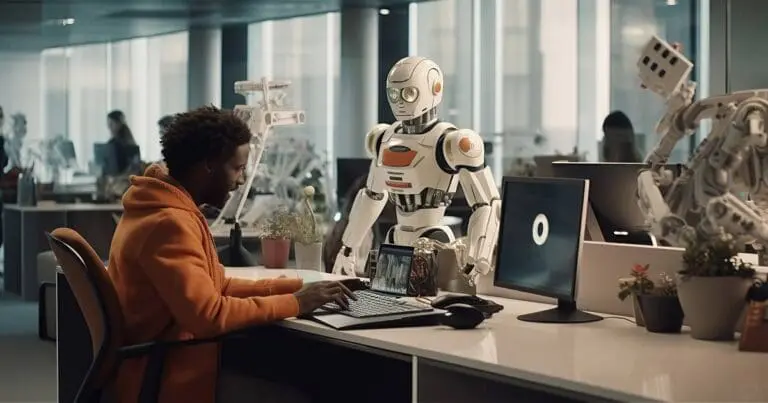
The Top AI Design Tools Every Designer Should Know To Get Hired in 2026
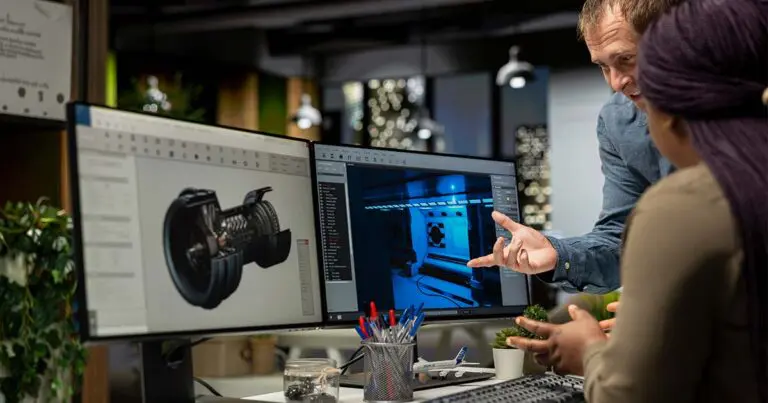
Artificial intelligence is transforming how designers work, but it isn’t replacing designers. Today’s best AI design tools accelerate ideation, automate repetitive tasks, and streamline production workflows.
The most successful design teams still rely on human creativity, strategic thinking, and collaboration to turn AI-generated concepts into exceptional products and experiences.
Whether you’re a UX designer, product designer, graphic designer, or creative leader, understanding today’s AI design landscape is quickly becoming a competitive advantage.
What Are AI Design Tools?
AI design tools use machine learning and generative AI to assist with creative and production tasks across the design process. Instead of replacing designers, these platforms help eliminate repetitive work, generate new ideas, and accelerate workflows.
Depending on the tool, AI can help designers:
- Generate user interface layouts
- Create images and illustrations
- Build wireframes and prototypes
- Produce marketing assets
- Generate frontend code
- Improve design documentation
- Brainstorm creative concepts
- Speed up developer handoffs
Each platform specializes in different parts of the design process, making it important to understand where each tool excels and where experienced designers remain essential.
The Best AI Design Tools in 2026
1. Figma AI
Best for: Product designers and UX teams already using Figma
Figma AI extends one of the industry’s most widely used design platforms with AI-powered features that simplify common design tasks. Designers can generate layouts, rename layers, create placeholder content, summarize files, and quickly explore interface variations without leaving their existing workflow.
Why designers like it:
Because AI is integrated directly into Figma, teams don’t have to adopt an entirely new workflow. It speeds up routine production work while allowing designers to continue collaborating inside the same design system.
Where humans are still essential:
AI can generate interface options, but experienced designers still make the critical decisions around user flows, accessibility, interaction design, usability testing, and stakeholder alignment.
2. Lovable
Best for: Rapid MVPs and startup product development
Lovable has gained popularity by allowing users to generate complete web applications from natural language prompts. Designers and founders can quickly transform ideas into interactive prototypes or working applications without extensive coding.
Why designers like it:
It dramatically shortens the gap between an idea and a functioning prototype, making it easier to validate concepts before investing in full product development.
Where humans are still essential:
A working prototype isn’t the same as a scalable product. Designers remain responsible for refining user experiences, establishing design systems, ensuring accessibility, and creating products that can evolve over time.
3. v0
Best for: Designers collaborating closely with frontend developers
Built by Vercel, v0 generates production-ready React interfaces from text prompts. It has become particularly popular among product teams looking to accelerate frontend development.
Why designers like it:
Rather than creating static mockups, designers can quickly produce interfaces that closely resemble production code, making collaboration with engineering teams more efficient.
Where humans are still essential:
Design systems, information architecture, interaction patterns, and user-centered decision-making still require human expertise. AI can generate code, but designers determine whether an interface actually solves user problems.
4. Galileo AI
Best for: Rapid UI concept generation
Galileo AI specializes in transforming text prompts into polished interface designs, helping designers quickly visualize new ideas.
Why designers like it:
Instead of starting from a blank canvas, designers receive multiple interface concepts that can serve as inspiration or discussion starters.
Where humans are still essential:
Successful products are built through research, testing, iteration, and business strategy—not simply attractive screens. Designers remain responsible for validating solutions with users and aligning design decisions with business goals.
5. Uizard
Best for: Non-designers and early-stage product planning
Uizard allows users to generate wireframes, mockups, and prototypes with minimal design experience. Product managers, entrepreneurs, and cross-functional teams often use it during early ideation.
Why designers like it:
It lowers the barrier to visualizing ideas and encourages collaboration before detailed design work begins.
Where humans are still essential:
Professional designers transform rough concepts into cohesive user experiences that meet accessibility standards, reinforce brand identity, and scale across complex products.
6. Canva Magic Design
Best for: Marketing teams and content creation
Canva’s AI-powered Magic Design tools generate presentations, social graphics, marketing assets, and branded content from simple prompts.
Why designers like it:
It enables teams to produce high-quality marketing materials quickly without spending hours on repetitive design tasks.
Where humans are still essential:
Creative direction, campaign strategy, storytelling, and brand consistency remain distinctly human responsibilities. AI can generate assets, but experienced designers ensure every piece supports broader business objectives.
7. Midjourney
Best for: Concept art and creative exploration
Midjourney continues to be one of the most popular AI image generation platforms for producing illustrations, mood boards, and visual inspiration.
Why designers like it:
Its ability to rapidly explore visual styles makes it an excellent brainstorming partner during early creative development.
Where humans are still essential:
Professional designers provide creative direction, curate outputs, refine concepts, and ensure visual work aligns with brand guidelines, licensing requirements, and real-world project constraints.
8. Adobe Firefly
Best for: Professional creative workflows
Adobe Firefly integrates generative AI across Creative Cloud applications, allowing designers to generate images, edit assets, expand backgrounds, and accelerate production tasks.
Why designers like it:
Because it works inside familiar Adobe applications, designers can incorporate AI without disrupting established workflows.
Where humans are still essential:
Final production quality, creative judgment, typography, composition, and client collaboration continue to rely on experienced designers who understand both aesthetics and business goals.
9. Claude Design
Best for: Exploring interface ideas through conversational AI
Claude Design introduces a conversational approach to interface generation, enabling users to describe applications in natural language and receive UI concepts in return.
Why designers like it:
It encourages rapid experimentation and makes it easier to iterate on ideas without manually constructing every screen from scratch.
Where humans are still essential:
Enterprise design requires far more than interface generation. Designers still oversee design systems, governance, accessibility, cross-functional collaboration, and ensuring experiences remain consistent as products grow.
How AI Is Changing Design Hiring
As AI becomes more capable, employers are placing greater value on designers who can combine technical proficiency with strategic thinking.
Rather than asking whether candidates can use AI, hiring managers are increasingly evaluating how effectively they incorporate AI into their design process while maintaining quality, usability, and consistency.
Today’s most competitive designers demonstrate skills that extend well beyond interface creation, including:
- Product thinking
- User research
- Design systems management
- Accessibility expertise
- Cross-functional collaboration
- Stakeholder communication
- Creative direction
- Design strategy
AI may accelerate execution, but organizations still depend on designers to make informed decisions, balance competing priorities, and deliver experiences that serve both users and business objectives.
Will AI Replace Designers?
AI is changing design work, but it isn’t eliminating the need for professional designers.
Instead, it’s shifting where designers create value.
Routine production tasks, such as generating layouts, resizing assets, or drafting interface concepts, are becoming faster through automation. At the same time, the importance of human judgment continues to grow.
Designers remain essential for:
- Understanding user needs
- Conducting research and usability testing
- Solving complex business problems
- Building scalable design systems
- Collaborating with engineering and product teams
- Maintaining accessibility and compliance
- Shaping brand identity
- Making strategic product decisions
As AI handles more repetitive work, designers have greater opportunities to focus on creativity, systems thinking, and leadership.
Choosing The Right AI Design Tools
AI design tools are reshaping nearly every stage of the creative process. From generating wireframes and prototypes to producing marketing assets and frontend code, today’s platforms help designers work faster and explore ideas more efficiently.
The strongest design teams, however, recognize that AI is most valuable as an assistant not a replacement. Technology can generate options, but it cannot replace empathy, strategic thinking, collaboration, or the nuanced decision-making required to build products that truly serve users.
For organizations hiring design talent, that distinction matters. The designers who will stand out aren’t simply the ones who know the latest AI tools, they’re the professionals who know how to combine AI with human insight to create exceptional experiences.
Looking to hire top-tier Tech, Digital Marketing, or Creative Talent? We can help.
Every year, Mondo helps to fill thousands of open positions nationwide.
More Reading…
- Why Cloud Cost Optimization Is Driving New Hiring Priorities
- How Collaborative Coding Is Reshaping Tech Hiring & Redefining Technical Talent
- The Return of Specialized Tech Talent: Why Deep Expertise Is Back in Demand
- Anthropic’s Mythos Shift Signals the Rise of AI Governance Careers
- Why Technical Debt Is Becoming a Workforce Problem
- How to Become an AI Researcher: A Step-by-Step Career Guide
- The Legacy System Problem: Why Modernization Efforts Are Creating New Talent Gaps
- AI-Assisted Software Development Is Increasing the Value of Experienced Engineers
- How Social Commerce Is Reshaping Digital Marketing Hiring
- 5 Design Roles AI Has Created (So Far)
- The Rise of Platform Engineering and What It Means for Hiring in 2026
- How Enterprises Should Combat the Growing Shadow AI Problem