AI Is Collapsing the Gap Between Designers and Developers
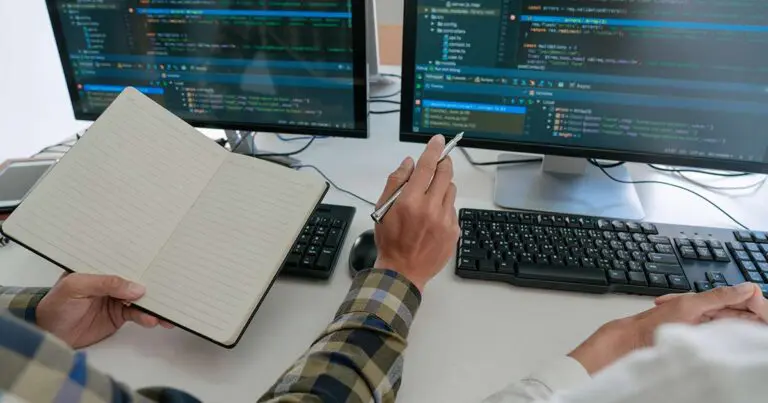
For decades, product development followed a structured sequence. Product design teams created interfaces, prototypes, and design systems. Engineering teams then translated those concepts into working software.
This design to development workflow helped organizations manage complexity, but it also introduced delays, misinterpretation, and iteration friction.
Today, artificial intelligence is reshaping how design and engineering collaboration happens. AI-powered design engineering tools and AI-assisted coding platforms allow design context to inform development directly. As a result, product teams are moving away from rigid handoffs toward continuous collaboration.
This shift is accelerating product development while increasing demand for hybrid professionals such as design engineers, product engineers, UX engineering specialists, and front-end engineers with strong user experience fluency. For hiring managers, the challenge is clear. These hybrid roles are among the most difficult positions to hire.
The Traditional Design-to-Engineering Divide
How Product Development Traditionally Worked
Historically, engineering design followed a sequential structure. Designers explored creative concepts rooted in human-centered design and user experience research. They produced visual systems, interaction models, and product design specifications aligned with stakeholder engagement and industry standards.
Engineering teams then applied engineering principles and technical expertise to translate these concepts into functional applications. This translation often required additional modeling and building phases to account for performance constraints, integration requirements, and system scalability.
While this process supported interdisciplinary teamwork, it also created dependency chains that slowed iteration cycles.
Where Friction Typically Occurred
The divide between product design and engineering frequently surfaced during implementation. Misinterpretation of design intent could lead to usability compromises. Engineering constraints sometimes emerged late in development, requiring repeated revisions and delaying launches.
Interdisciplinary communication challenges compounded the issue. Designers and developers often approached design questions from different perspectives, balancing creative exploration with feasibility considerations. These differences made collaboration essential but also time consuming.
How AI Is Changing the Design-to-Code Workflow
Design Context Can Now Inform Code Generation
AI platforms are transforming how design engineering workflows operate. Modern design systems integrate directly with development environments, enabling faster translation from visual components to production-ready interfaces.
AI-assisted coding tools can generate front-end structures informed by design patterns, user experience priorities, and established industry standards. This reduces manual interpretation and allows engineering design decisions to align more closely with original product design intent.
In consumer products and digital experiences alike, design engineers are increasingly leveraging AI tools to bridge conceptual thinking with technical execution.
Iteration Between Design & Code Is Becoming Continuous
As AI accelerates collaboration, traditional handoffs are giving way to real-time product team collaboration. Designers contribute earlier to engineering decisions. Developers participate more actively in user experience discussions.
This collaborative approach shortens feedback loops and supports systems thinking across product teams. Continuous iteration allows organizations to refine features more quickly while maintaining alignment with human needs and usability consulting insights.
The result is a more adaptive product development strategy that reflects the evolving relationship between society and technology.
The Rise of Hybrid Product Roles
New Roles Are Emerging at the Intersection of Design & Engineering
Organizations are increasingly seeking professionals who can operate across design and engineering disciplines. These roles include design engineers, product engineers, UX engineering specialists, and front-end engineers with strong product design awareness.
These professionals combine graphic design sensibilities with technical implementation knowledge. They understand both creative workflows and engineering constraints, enabling them to translate ideas into working interfaces more efficiently.
Interdisciplinary teamwork becomes more effective when individuals can navigate both conceptual design and software development realities.
Designers Are Becoming More Technical
Designers today are gaining familiarity with front-end frameworks, design system architecture, and engineering tradeoffs. Hands-on learning and collaborative team projects are helping product designers develop stronger technical literacy.
This evolution supports more meaningful interdisciplinary communication and reduces reliance on formal handoff structures.
Developers Are Becoming More Design-Aware
At the same time, developers are increasingly contributing to user experience decisions. UX engineering practices encourage engineers to consider usability, accessibility, and interface clarity alongside performance.
Engineering teams that embrace creative exploration can build products that better reflect human-centered design principles.
Why These Roles Are Hard to Hire
Hybrid Skill Sets Are Rare
Most professionals are traditionally trained in either engineering disciplines such as Mechanical Engineering or software engineering, or in design-focused fields like graphic design and product design.
Developing interdisciplinary expertise requires years of experience working across collaborative environments. As a result, the pipeline of candidates who can confidently navigate both technical and creative responsibilities remains limited.
Demand Is Growing Faster Than Supply
As AI accelerates product development workflows, organizations increasingly prioritize professionals who can reduce friction between teams. Smaller product teams, especially in startups and innovation-driven environments, depend on versatile contributors who can operate across functions.
This imbalance between supply and demand makes hybrid roles particularly competitive in the hiring market.
What This Means for Hiring Managers
Product Teams Are Becoming More Cross-Functional
Modern product teams are evolving toward integrated structures that emphasize collaboration over rigid role boundaries. Design and engineering functions increasingly operate within shared workflows, enabling faster experimentation and stronger alignment with market trends.
Stakeholder engagement across disciplines supports more informed decision-making and improves value creation across business processes.
Hiring Strategies May Need to Adapt
Hiring managers must evaluate candidates not only for technical expertise or visual design capability, but also for systems thinking, interdisciplinary communication, and adaptability.
Professionals who can navigate design engineering challenges, contribute to collaborative team projects, and balance creative exploration with technical feasibility are becoming essential for digital transformation initiatives.
The Future of Product Team Structure
Artificial intelligence will continue reshaping how product teams operate. AI tools and AI platforms will further streamline design and development integration, reducing friction across business operations.
Continuous collaboration models are likely to replace traditional handoffs entirely. Design and engineering collaboration will become a foundational capability rather than a coordination challenge.
As this shift accelerates, hybrid professionals who can bridge user experience insight with engineering execution will play a critical role in shaping future products.
In a digital era defined by rapid change, the shrinking divide between designers and developers is not just a workflow evolution. It is a structural transformation in how organizations build, hire, and innovate.
Looking to hire top-tier Tech, Digital Marketing, or Creative Talent? We can help.
Every year, Mondo helps to fill thousands of open positions nationwide.
More Reading…
- As AI Floods the Hiring Process, Human Recruiters Matter More Than Ever
- When Code Becomes Easy to Copy, What Actually Protects a Business?
- The Design Engineer Is Rewriting the Rules of Product Development
- The AI Productivity Tax: What AI Coding Tools Are Actually Costing Your Engineering Team
- The Supreme Court Just Drew a Line on AI Art. Creative Teams Should Pay Attention
- As AI Job Applications Get Easier, Hiring Gets Harder
- If Candidates Are Using ChatGPT to Find Jobs, Employers Must Rethink Visibility
- How to Stand Out in a Competitive Job Market? Ownership Over Activity.
- Are Resumes Dying? What Hiring Managers Should Pay Attention to Now
- AI Job Matching Volume Is Rising. But Hiring Clarity Isn’t.
- Skills-Based Hiring Is Growing, But So Is Hiring Friction
- How to Build a High-Performing Team That Actually Delivers Results