Work-Life Balance Is Evolving: What It Will Look Like in 2026 and Beyond
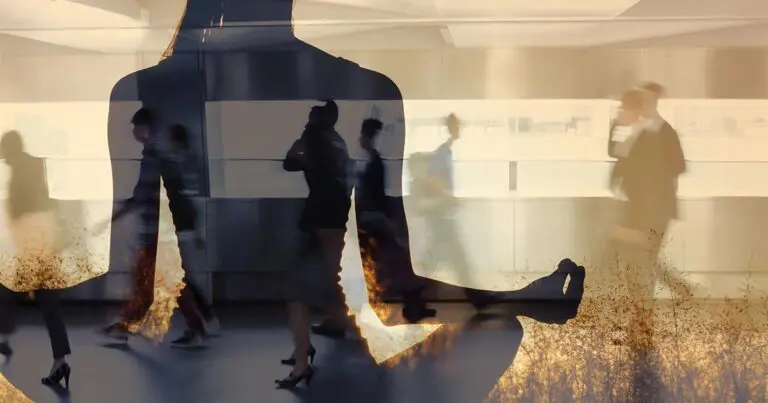
The line between work and life has been redrawn again.
After years of navigating remote work, managing digital connectivity, and redefining workplace priorities, it’s clear that work-life balance is entering a new phase.
The future of work demands intentionality, flexibility, and a renewed focus on employee well-being.
Here’s what to expect from work-life balance in 2026 and beyond and how to stay ahead.
What is Having a Work-Life Balance?
At its core, work-life balance refers to the ability to effectively manage work responsibilities alongside personal life demands without sacrificing one for the other.
In today’s workforce, it means supporting mental health, taking short breaks, using vacation days, and having support systems that empower both performance and wellness.
Achieving balance is no longer about separation; it’s about integration within a healthy work environment.
The Evolution of Work-Life Balance
The evolution of work-life balance has seen a shift from 9-to-5 to flex-for-all as well as generational shifts and value realignment.
From 9-to-5 to Flex-for-All
The rise of digital work and especially the pandemic-era pivot to hybrid work models marked a turning point.
Today, employees are gravitating toward flexible work trends like flex time, flexible scheduling, asynchronous collaboration, and even four-day workweeks.
The goal? To align productivity with individual rhythms and lifestyle.
Generational Shifts & Value Realignment
Younger generations, especially Gen Z and Millennials, are reshaping the workplace with values that prioritize mental wellbeing, self-care strategies, and life fulfillment over climbing the corporate ladder.
Meanwhile, Gen X and Boomers are rethinking legacy definitions of success by seeking autonomy and purpose.
As a result, employee engagement and performance are increasingly tied to how well organizations support employee well being, not just outputs.
What Work-Life Balance Will Look Like in 2026 (and Beyond)
Work-life balance is evolving toward AI-enhanced efficiency, the rise of the fluid workday, and work-life integration over separation.
AI-Enhanced Efficiency, Not Overload
While AI is revolutionizing the workplace, its impact cuts both ways.
On one hand, it streamlines task delegation, removes admin burdens, and enables productivity tools that save time.
On the other, it can heighten the pressure to always be available.
In 2026, the organizations that succeed will be those who implement AI ethically—ensuring tools support stress management techniques and mental health resources, and promoting a culture that respects the right to disconnect.
The Rise of the “Fluid Workday”
As flexible work hours become standard, the traditional start and stop times will fade.
Employees will shape their day around energy levels, family needs, and peak focus times—designing schedules that reduce work-family conflict.
This shift will challenge management norms, calling for stronger communication protocols, inclusive online training, and a culture built on outcomes, not hours.
Work-Life Integration Over Separation
By 2026, work-life integration will eclipse traditional “balance” models.
Instead of seeing life and work as competing forces, professionals will expect a unified approach that blends family, health, and career.
Organizations with a strong workplace culture and a human-first mission will attract top talent in this new era.
Tips for Adapting to the Future of Work-Life Balance
For Employers & Leaders
To stay competitive, employers must lead with flexibility and foresight:
- Lead with flexibility by adopting outcome-based performance models that reward impact over hours.
- Normalize boundaries by modeling sustainable work habits and discouraging the “always-on” mindset.
- Invest in well-being tech that incorporates deep breathing exercises, mindfulness, and mental wellbeing tracking.
- Foster trust and autonomy by empowering employees with professional advice, clear goals, and access to mental health resources.
For Professionals
Professionals will thrive by personalizing their approach to balance:
- Define your personal balance blueprint—whether that includes blended learning, flexible routines, or scheduled short breaks.
- Use tech intentionally to streamline repetitive tasks while protecting time for rest and meaningful work.
- Set micro-boundaries throughout the day for self-care strategies, focus time, or even immune-boosting activities that support your immune system.
- Prioritize community, as building relationships through both digital and in-person channels is vital for combatting burnout.
The Future of Work-Life Balance Is Flexible and Intentional
Work-life balance 2026 won’t look like it did five years ago—and that’s a good thing. The new era of balance embraces personalization, results, and employee well-being as central to success.
Employers who adapt their work environment and culture to prioritize balance will see increases in employee engagement, retention, and innovation. Professionals who align work with life—not against it—will thrive in the age of hybrid work, role enhancement, and evolving productivity trends.
Looking to build a flexible, future-ready team?
Partner with staffing experts who understand how work—and life—is evolving.
More Reading…
- Work-Life Balance Is Evolving: What It Will Look Like in 2026 and Beyond
- Your Team Is Your Daily Environment—Create a Healthy One
- Hiring for Creative Thinking in a World Obsessed with Metrics
- Hiring Developers Who Actually Understand the Business
- Myths About AI Talent That Might Be Sabotaging Your Hiring
- Hiring Talent That Impacts the Bottom Line: Looking Beyond Résumés
- Interviewing 101: Why Lazy Questions = Bad Hires
- Hiring for Team Dynamics: Matching People to Workflows, Not Just Job Descriptions
- Year-End Planning: How to Set Your Q1 Hiring Strategy Up for Success
- Top 3 Seasonal Hiring Challenges and How to Overcome Them