Remote Work Isn’t Going Away: What the Latest Data Means for Employers
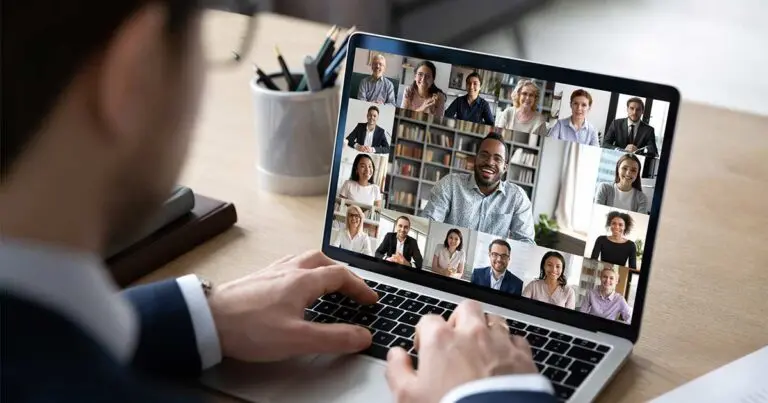
Despite stricter return-to-office mandates, remote work remains a significant part of today’s workforce.
New data from the Bureau of Labor Statistics shows that more than one-third of employed Americans still work remotely at least some of the time, underscoring that workplace flexibility has become an enduring feature of the modern labor market rather than a temporary response to the pandemic.
For employers, the conversation is no longer about whether remote and hybrid work will continue, and rather about creating the right work arrangement to attract, engage, and retain top talent.
Remote Work Continues to Hold Steady Despite RTO Mandates
Federal data shows remote work remains common
The latest American Time Use Survey from the Bureau of Labor Statistics found that 35% of employed people performed some or all of their work from home in 2025, up from 33% the previous year. The findings suggest that remote work adoption has remained remarkably stable, even as many organizations have implemented stricter return-to-office requirements.
The data also highlights that remote workers are not limited to fully distributed organizations. Instead, many employees split their time between home and the office, reflecting a broader shift toward hybrid work as a long-term operating model. Rather than disappearing, remote work has evolved into a standard business practice for many knowledge-based roles.
Hybrid has become the practical middle ground
For many employers, fully remote operations are no longer the default. At the same time, requiring employees to be in the office five days a week has proven difficult in a competitive talent market. As a result, hybrid arrangements have emerged as the practical compromise.
Today’s hybrid work models allow organizations to preserve face-to-face collaboration while giving employees the remote flexibility they continue to value. Supported by digital tools, digital collaboration platforms, and increasingly effective virtual meetings, many organizations have found they can maintain productivity while offering greater workplace choice.
Flexibility Continues to Influence Talent Decisions
Employees still value flexibility over rigid schedules
The desire for flexible work remains a defining factor in how professionals evaluate career opportunities. According to Randstad’s 2026 Workmonitor, work-life balance has surpassed compensation as the leading factor employees consider when evaluating job opportunities and deciding whether to stay with an employer.
That shift reflects changing employee expectations. While many employers cite collaboration concerns when employees work remotely, workers often prioritize autonomy, flexibility, and control over their work environment. Organizations that recognize this evolving mindset may be better positioned to strengthen employee engagement and improve employee satisfaction over time.
Highly skilled professionals continue to expect flexible work options
The latest federal data also found that employees with a bachelor’s degree or higher are significantly more likely to work remotely than those with lower levels of educational attainment.
That trend has important implications for employers hiring technology, digital, marketing, cybersecurity, data, and engineering professionals. Many of these positions can be effectively performed by remote teams or within hybrid work environments. As organizations compete for specialized talent, candidates increasingly expect some degree of workplace flexibility, whether through fully remote positions or structured hybrid schedules.
While some professionals are choosing to work from a remote location full time or embracing lifestyles associated with digital nomads, many simply want greater control over where they perform their work without sacrificing career growth.
What This Means for Employers
Flexibility is becoming a competitive hiring advantage
For employers competing for highly skilled professionals, work policy decisions increasingly influence recruiting outcomes. Organizations with overly rigid remote work policies may unintentionally narrow their candidate pools, particularly for roles where physical presence is not essential.
Candidates reviewing job postings often evaluate flexibility alongside compensation, benefits, and career advancement opportunities. In a competitive hiring market, offering well-defined hybrid arrangements or remote options can become a meaningful differentiator for attracting experienced job seekers.
Flexibility can also contribute to long-term employee retention by helping employees better balance personal responsibilities and professional expectations. While every role requires different levels of in-person collaboration, aligning workplace policies with actual business needs instead of blanket mandates can create stronger hiring outcomes.
Hiring strategies should focus on outcomes, not location
The most effective workplace strategies start with the work itself.
Instead of applying one policy across every department, employers should evaluate which roles genuinely benefit from daily in-person collaboration and which can thrive in remote or hybrid settings. Measuring performance based on outcomes rather than physical presence allows organizations to support both productivity and employee experience.
Technology has made managing distributed teams significantly easier than it was just a few years ago. Modern digital tools, cloud platforms, and collaborative software enable organizations to maintain communication, support remote work productivity, and strengthen company culture regardless of where employees are located.
Employers should also consider the broader business impact. Flexible work models can generate cost savings through reduced office space requirements while also lowering commuting-related emissions and supporting efforts to reduce an organization’s carbon footprint. Although Global Workplace Analytics and other workforce researchers have long documented these potential benefits, every organization should evaluate them against its own operational and workforce needs.
The Rise of Remote Work, Its Challenges, and Opportunities for Businesses
Remote work is no longer an emerging trend. It has become an established part of today’s labor market.
The latest Bureau of Labor Statistics data reinforces what many employers are already experiencing: despite ongoing return-to-office initiatives, employees continue to value flexibility, and hybrid employees remain a significant part of the workforce.
As organizations refine their workplace strategies, the most successful employers will focus less on where work happens and more on creating work arrangements that support collaboration, productivity, and long-term business goals.
For organizations hiring in competitive industries, thoughtful remote work and hybrid work strategies are no longer simply employee perks. They have become an important component of talent acquisition, retention, and workforce planning.
Looking to hire top-tier Tech, Digital Marketing, or Creative Talent? We can help.
Every year, Mondo helps to fill thousands of open positions nationwide.
More Reading…
- 12 Things Recruiters Wish Hiring Managers Knew Before Opening a Role
- How to Fix a Struggling Team: 7 Practical Steps to Improve Performance
- Sonos Layoffs Hit Senior Design and Product Leaders as Company Streamlines
- Should Employers Allow AI During Job Interviews? Hiring for AI Fluency.
- Why AI Has Made Job Interviews the Weakest Link in the Hiring Process
- The Hidden Costs of DIY Specialized Talent Recruiting
- Why Digital Transformation Failure Still Happens and What Talent Has to Do With It
- Social Media Manager Burnout: Why the Role Was Never Designed for One Person
- The Top AI Design Tools Every Designer Should Know To Get Hired in 2026
- Why Cloud Cost Optimization Is Driving New Hiring Priorities
- How Collaborative Coding Is Reshaping Tech Hiring & Redefining Technical Talent
- The Return of Specialized Tech Talent: Why Deep Expertise Is Back in Demand
- Anthropic’s Mythos Shift Signals the Rise of AI Governance Careers